-
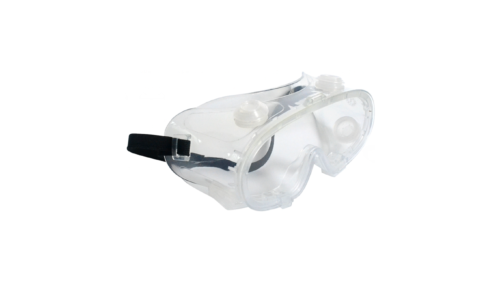 Duratect Safety goggles, PC lens with PVC frame & elastic strap, Lens with Anti-fog, Impact resistant, Anti-UV. Lens can be ANSI Z87.1, CE, AS/NZS standard Model: DT-60001
 -
Sale!
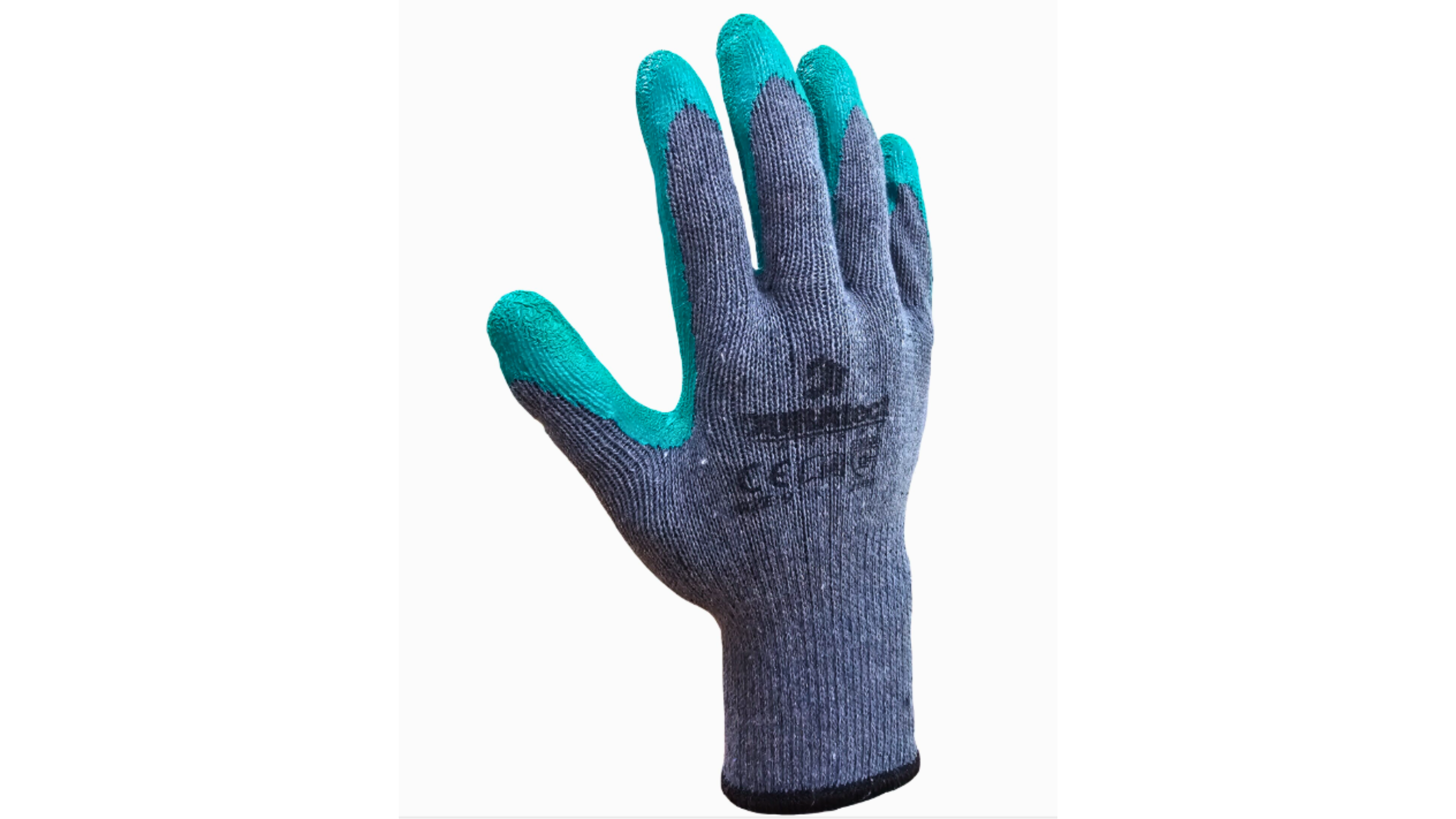
 Duratect Palm Latex Coated Gloves, Crinkled (Rubberized Knitted Crinkled Gloves) Model: DT-L304
 -
Sale!
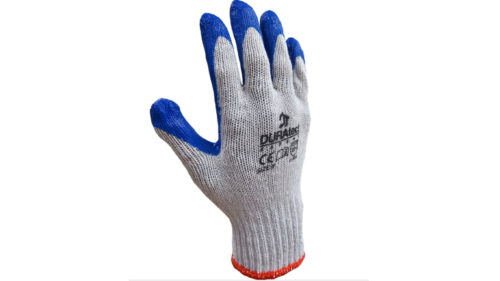 Duratect Palm Latex Coated (Rubberized Knitted) Gloves Model: DT-L306 Palm Latex Coated Gloves Smooth Finish, Breathable and Comfortable, Ideal for Construction, Warehousing and Light assembly
 -
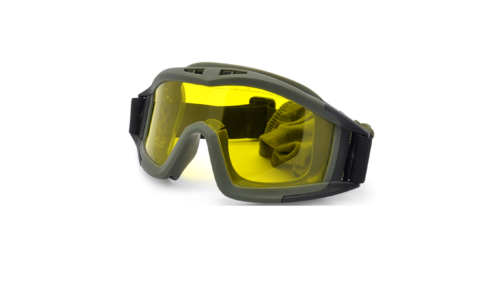 Duratect Military use safety glasses PC lens TPU frame with foam attachment ventilation system with 1 elastic strap & cleaning pouch, Lens with Anti-fog, Impact resistant, Anti-UV. Lens can be ANSI standard. Model: DT-60049 (Yellow)
 -
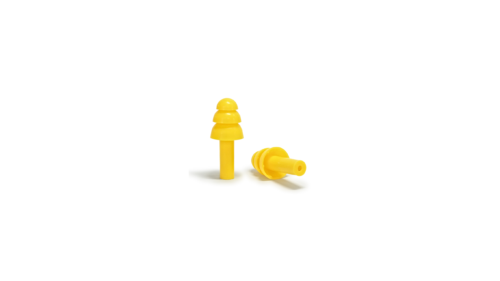 Duratect Silicon Christmas tree earplug without cord, with plastic packing, 26DB, with casing Model: DT-2001
 -
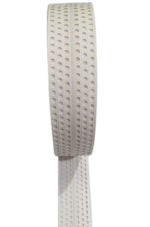
 Key Properties 🔥 High temperature resistance Glass fibre tape can withstand high temperatures — often up to several hundred °C — making it suitable for thermal insulation, exhaust wrapping, and heat-shield applications.
 -
 Champnet mesh abrasives (often seen as ChampNet mesh sanding discs) are mesh-type abrasive sanding discs made with abrasive grit (usually aluminum oxide) bonded onto an open-mesh fabric or net backing. This design lets dust pass through the abrasive, reducing clogging and keeping the sanding surface cleaner for longer compared with traditional paper discs. *Grit # 80 *Grit # 120 * Grit # 240 Key Features of Champ Mesh Abrasives ✅ Open-mesh design The mesh backing allows air and dust to flow through during sanding — this helps to reduce dust buildup and keeps the abrasive cutting more consistently. ✅ Dust-free sanding experience Because dust can escape through the mesh, there’s generally less airborne debris and cleaner working conditions while sanding. ✅ Hook-and-loop attachment Many Champ mesh abrasives use hook-and-loop (Velcro) backing so you can quickly attach and change discs on compatible sanders. ✅ Versatile grit options Products are available in different grit sizes for various stages of sanding, from stock removal to fine finishing. ✅ Suitable for multiple materials You’ll see them used on wood, metal, composites, and other surfaces where you want dust-free sanding with reasonable cut and finish performance. 🧰 Typical Uses Champ mesh abrasives are commonly used for: Surface preparation before painting or finishing (wood, metal, composites). Finishing and smoothing after initial shaping or sanding. Workshop and DIY projects where dust control and easy disc changing are helpful.
 -
Champnet mesh abrasives (often seen as ChampNet mesh sanding discs) are mesh-type abrasive sanding discs made with abrasive grit (usually aluminum oxide) bonded onto an open-mesh fabric or net backing. This design lets dust pass through the abrasive, reducing clogging and keeping the sanding surface cleaner for longer compared with traditional paper discs. *Grit # 80 *Grit # 120 * Grit # 240 Key Features of Champ Mesh Abrasives ✅ Open-mesh design The mesh backing allows air and dust to flow through during sanding — this helps to reduce dust buildup and keeps the abrasive cutting more consistently. ✅ Dust-free sanding experience Because dust can escape through the mesh, there’s generally less airborne debris and cleaner working conditions while sanding. ✅ Hook-and-loop attachment Many Champ mesh abrasives use hook-and-loop (Velcro) backing so you can quickly attach and change discs on compatible sanders. ✅ Versatile grit options Products are available in different grit sizes for various stages of sanding, from stock removal to fine finishing. ✅ Suitable for multiple materials You’ll see them used on wood, metal, composites, and other surfaces where you want dust-free sanding with reasonable cut and finish performance. 🧰 Typical Uses Champ mesh abrasives are commonly used for: Surface preparation before painting or finishing (wood, metal, composites). Finishing and smoothing after initial shaping or sanding. Workshop and DIY projects where dust control and easy disc changing are helpful.
-
 PVC Adjustable Angle - PVC adjustable angle components are plastic pieces (often made from PVC-u or similar) used in construction, finishing, framing, or DIY builds. They let you set and hold a custom angle between two surfaces — for example, protecting corners, making frames, or joining PVC pipe structures. Non-stick 5cm*40m Non-stick versions do not come with adhesive already applied. You instead glue, screw, clip, or mechanically fasten them into place. How it works: 🔩 You use screws, screws + plugs, clamps, or construction adhesive on the surface. 🔩 Provides a more secure, permanent installation. Features Stronger, more durable mounting (especially on textured or uneven surfaces). Better for outdoor or heavy-use areas. Can reposition during installation before final fixing. Typical use: Corner guards, adjustable frame pieces, trim that must carry load or resist wear. Typical use: Peel-and-stick angle or trim pieces used for quick interior finishing or protective guards. (The name “stick” comes from the built-in adhesive style.